HP Amplify Impact: ROLV Group Named Sustainability Sales Leader
ROLV Group has earned Sustainability Sales Leader 2026-2027, the highest level of recognition in the HP Amplify Impact partner program. See what it means.

ROP and SUP bring new duties for producers and limit single-use plastics. The Deposit Return System makes recycling easier and helps businesses stay compliant.
The European Union is placing increasing emphasis on responsible waste management. Extended Producer Responsibility (ROP) shifts part of the responsibility from public administration to producers, who must finance the collection and recycling of packaging. This covers items such as bottles, cans, food containers, and even cosmetic packaging. The Single-Use Plastics Directive (SUP) further restricts plastics like straws, cutlery, and foam containers, requiring the use of more sustainable alternatives. These regulations are not isolated actions but part of a broader EU strategy to build a true circular economy.
The Deposit Return System (DRS) is a practical tool that helps achieve the objectives set by ROP and SUP. With a small deposit added to the price, consumers have a clear incentive to return bottles and cans. As a result, recycling rates increase, and valuable raw materials re-enter circulation. Examples from Lithuania, Germany, and Scandinavia show return rates reaching up to 90%. In Poland, the system is only beginning, but it is already clear that it will play a crucial role in meeting EU environmental targets. For companies, joining DRS is not just a legal duty but a chance to be part of a proven and effective solution.

Compliance with these requirements means more than avoiding heavy financial penalties for non-compliance. It is also an opportunity to improve brand image, strengthen competitiveness, and make a real impact on the environment. Consumers increasingly choose brands that focus on recycling and transparent packaging policies. Companies that properly prepare for DRS can become leaders of change and make cooperation with retailers and partners easier, as many demand higher sustainability standards. A strong environmental profile also supports recruitment – younger employees often prefer to work for businesses that demonstrate clear values and responsibility. In the long term, sustainable practices reduce risks, stabilize supply chains, and open the door to funding opportunities, as many banks and investors now include ecological criteria in their decisions.
In addition, companies should monitor upcoming legislative changes, cooperate with industry associations, and consider partnerships with technology providers. This makes the transition smoother and ensures that the business remains competitive even as regulations become more demanding.
ROP and SUP combined with DRS set a clear direction for producers and retailers. These are not just regulations but a strong incentive for companies to rethink their strategies. Businesses that treat them as an opportunity can gain a competitive edge, build lasting customer trust, and strengthen their market position. The circular economy is no longer a distant vision - it is becoming the foundation of everyday business operations. Companies that adapt quickly will not only comply with the law but also create added value for their customers, employees, and partners. In this way, environmental responsibility turns from an obligation into a driver of innovation and growth.

ROLV Group has earned Sustainability Sales Leader 2026-2027, the highest level of recognition in the HP Amplify Impact partner program. See what it means.

ROLV Group adds HONOR Pad 20 to HONORSTORE.pl: a 12.1-inch 3K tablet with Snapdragon 7 Gen 3, a 10,100 mAh battery and a keyboard-and-stylus set for work and study.
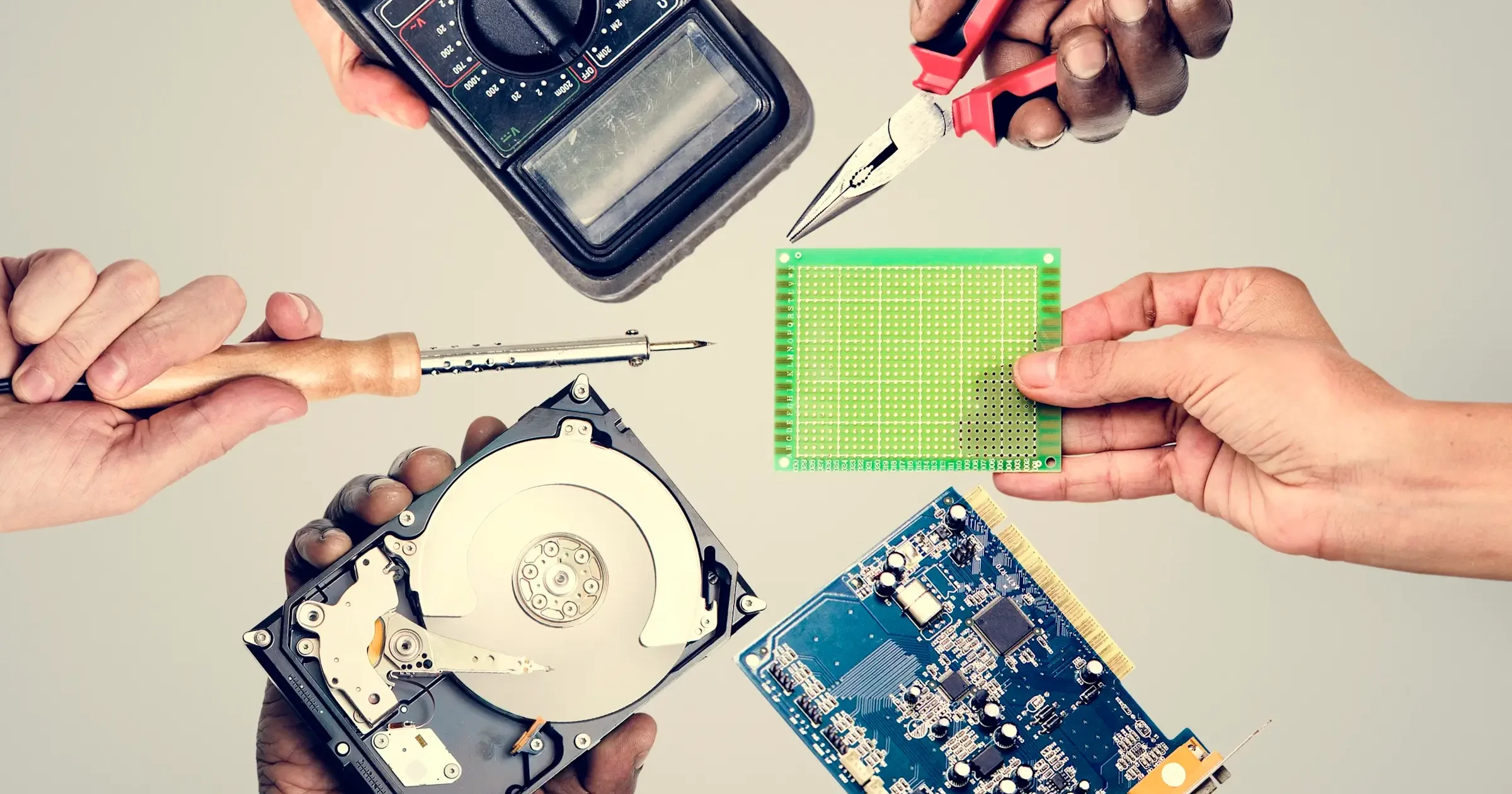
BDO helps companies manage electronic waste in a legal and clear way. Recovering equipment prevents fines and builds a sustainable image.
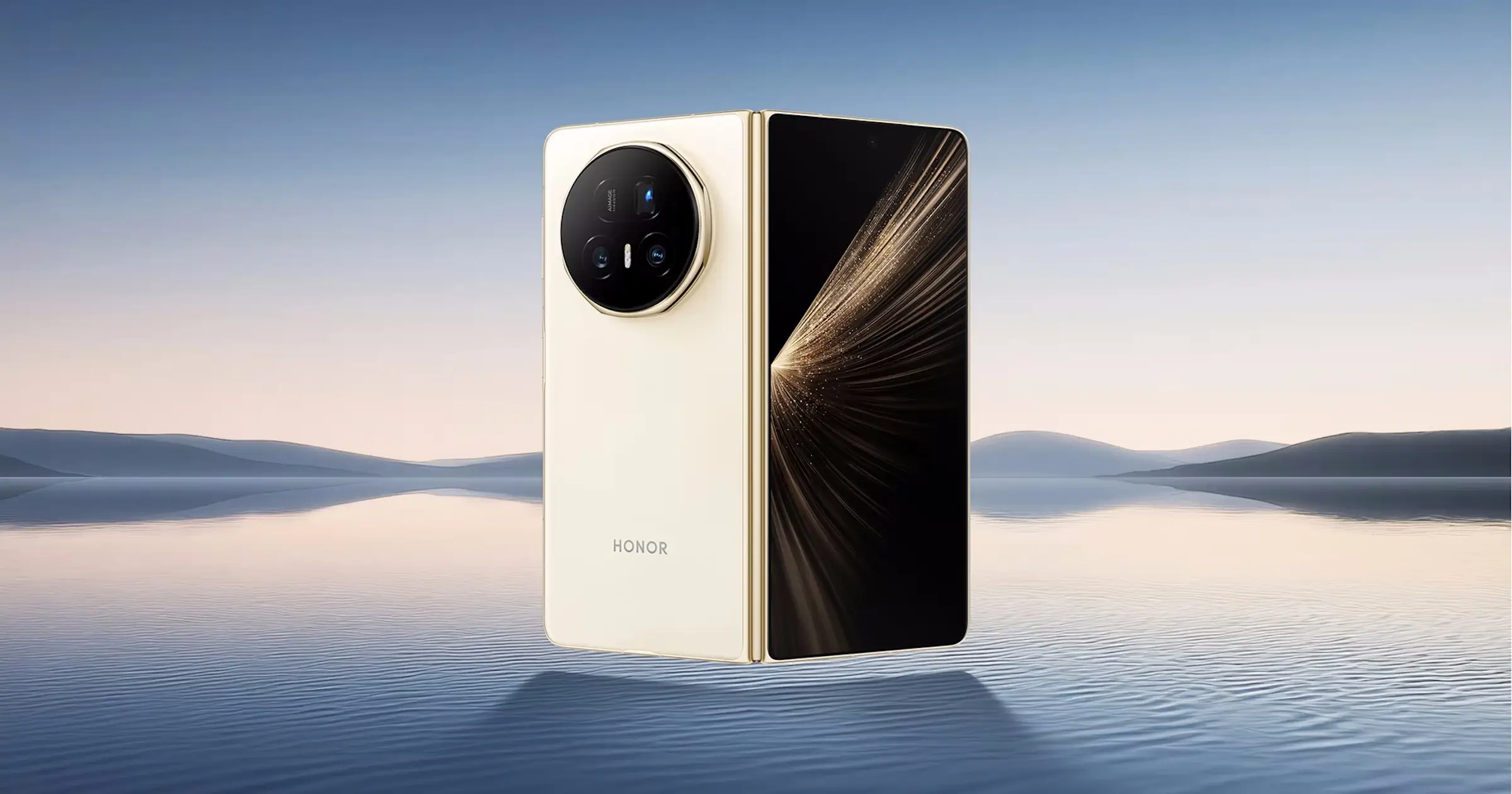
HONOR Magic V5 combines slim design, flagship performance, and advanced AI features in a foldable smartphone. It redefines mobile innovation and sets a new standard for the future.